Free Law Help 101: Do I Pay for Legal Aid?
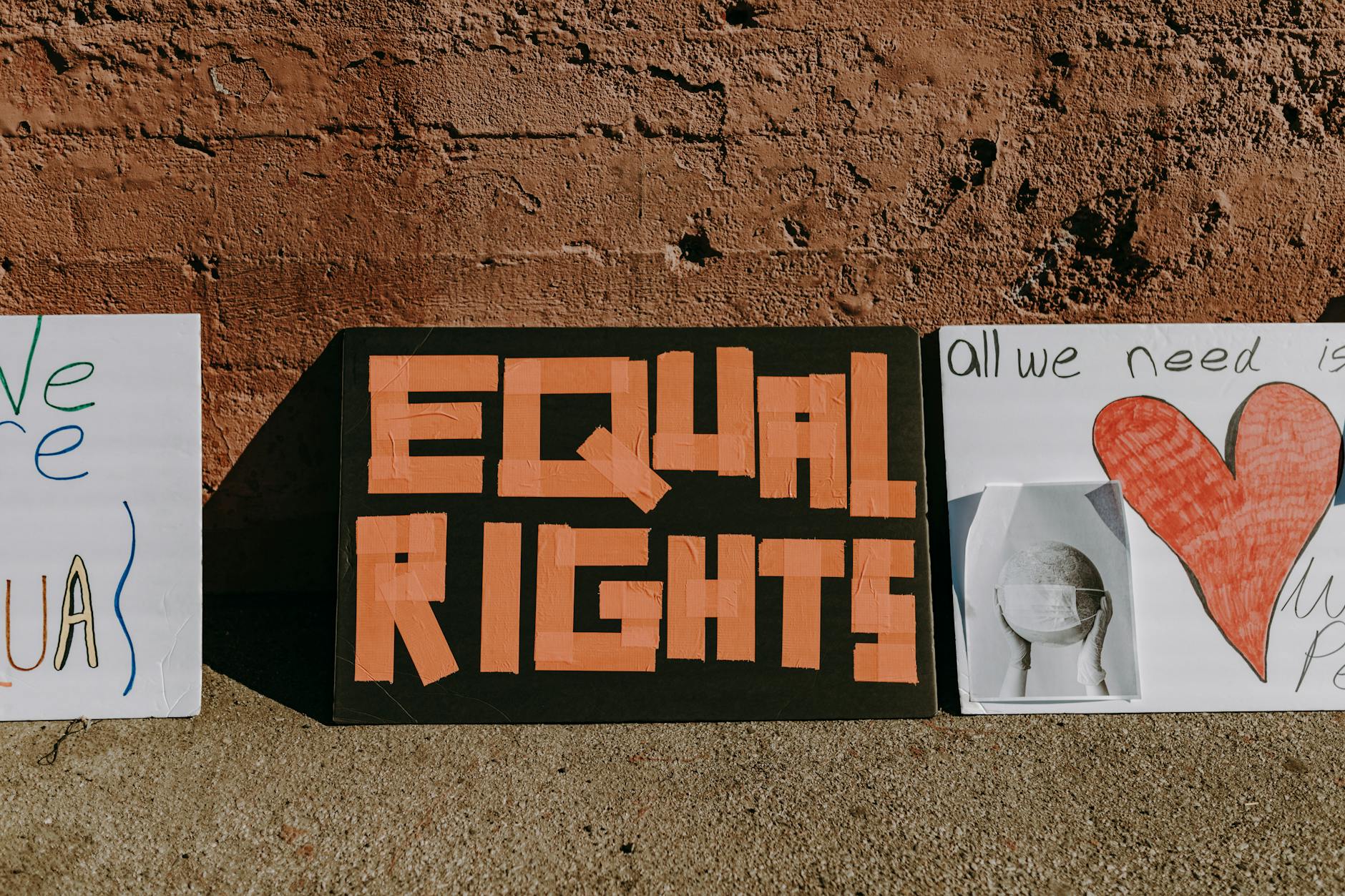
Navigating the complexities of the legal system can be daunting, particularly if you find yourself in need of legal assistance with limited financial resources. The cost of hiring an attorney can be prohibitive for many, but there is hope. The American legal system does provide options for individuals seeking pro bono legal aid. Pro bono, short for the Latin phrase "pro bono publico'' which means "for the public good," refers to professional work undertaken voluntarily and without payment as a public service. For those who are less fortunate, understanding how to access this free legal aid is critical in their pursuit of justice.
Do You Qualify for Pro Bono Legal Aid?
Qualifying for pro bono legal aid typically depends on your income level and the nature of your legal issue. Most legal aid organizations have specific criteria that they use to determine if you are eligible for their services. This typically involves assessing:
-
Your Income: Many legal aid services are reserved for low-income individuals. This often involves proving that your income is below a certain threshold, such as the federal poverty line or a percentage of it.
-
The Type of Legal Matter: Some legal aid organizations specialize in certain types of legal issues, such as domestic violence, housing disputes, or immigration law.
-
Special Circumstances: Veterans, the elderly, and the disabled may have additional resources available to them.
To start the process, you will generally need to complete an application and submit any required documentation to prove your eligibility.
How to Access Free Legal Resources
Accessing free legal resources may require some dedication and research, but there are several avenues available:
1. Legal Aid Societies
These non-profit organizations provide free legal services to the underprivileged. They are often funded by grants, donations, and some federal funds. Legal Services Corporation provides a list of legal aid organizations across the United States.
2. Volunteer Lawyer Programs
Many local bar associations run volunteer lawyer projects, where attorneys agree to take on a certain number of pro bono cases per year. Contact your local bar association for more information.
3. Law School Clinics
Law schools often have clinics where law students, under the supervision of their professors, provide legal services for free. These can be great resources for various legal issues and provide hands-on experience for the students.
4. Self-Help Legal Information
There are also online resources that help you understand your legal rights and responsibilities. The American Bar Association's (ABA) Free Legal Answers offer basic guidance for civil legal questions.
5. Online Pro Bono Services
Certain organizations provide online platforms that connect individuals with pro bono lawyers, such as Pro Bono Net or the ABA's Free Legal Answers.
6. Public Defenders
If you're facing criminal charges and cannot afford a lawyer, the court must appoint a public defender or an attorney at the state's expense.
7. Special Interest Groups
Non-profit organizations specializing in certain advocacy areas, like civil rights, women's rights, or tenants' rights, may also provide legal assistance or referrals.
Get Informed and Seek Justice
Understanding your legal rights and the availability of free legal help is the first step toward justice. If you're unsure about your eligibility for pro bono services, it's worth reaching out to these organizations to find out. Remember, every citizen has the right to legal representation and access to the legal system, regardless of their financial situation.
Conclusion
Facing a legal problem can be overwhelming, but knowing that there are options available for free legal help can provide a sense of relief. By researching and reaching out to the appropriate resources, you can find the support and guidance you need to navigate the legal system.
Stay informed, stay proactive, and don't hesitate to seek out the help you deserve. Justice should be accessible to all, and with the right information and resources at hand, you can take the necessary steps to protect your rights and interests.